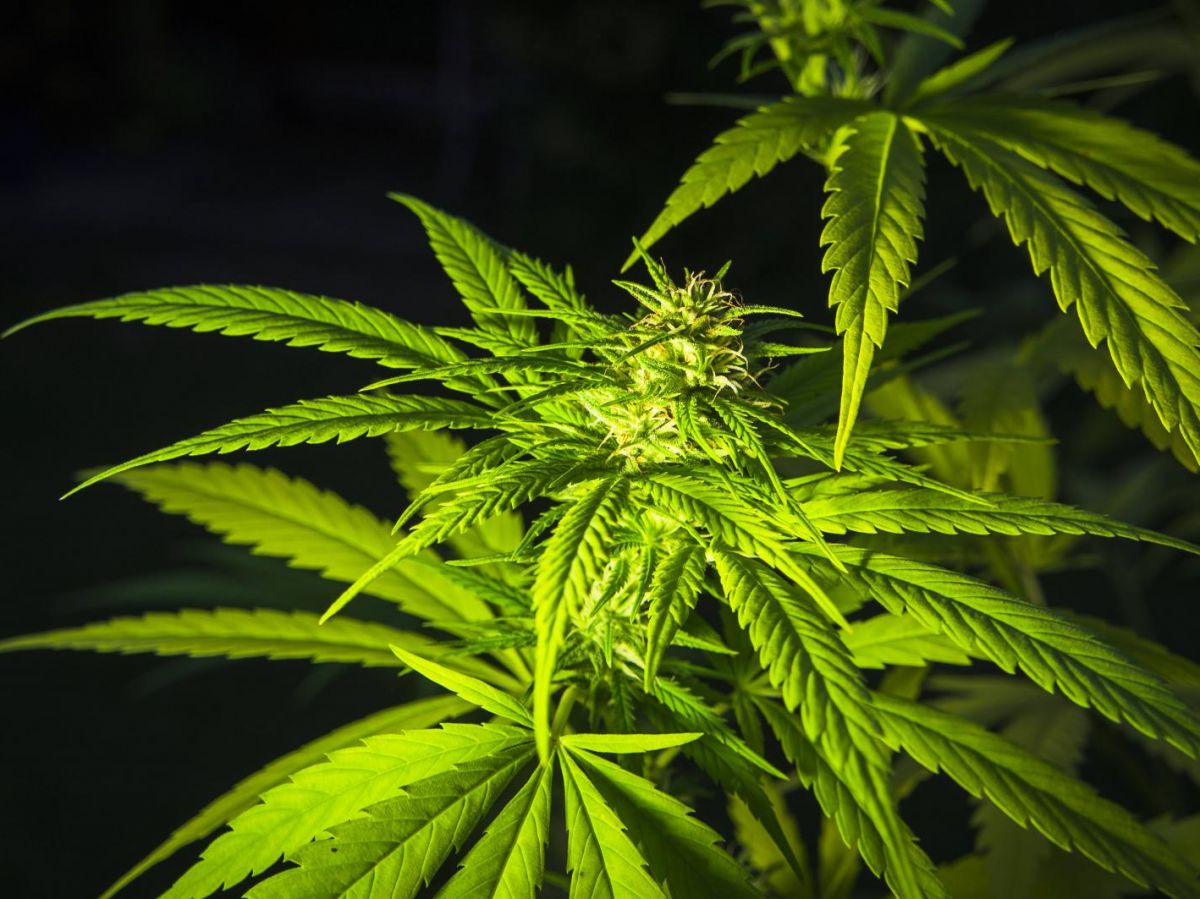
Cannabis flowers can share nearly identical visual traits. Yet laboratory results may show different cannabinoid profiles. The reason starts with molecular form, rather than appearance. In thca flower vs thc flower 2026, chemistry explains the testing gap. Fresh material can hold substantial THCA before heating. A laboratory can separate that compound from THC. Once heat enters the process, the picture changes.
THCA Flower Carries An Acidic Form
THCA represents an acidic cannabinoid form found naturally. THC represents the neutral form produced through decarboxylation. That chemical difference cannot be seen by sight. Trichomes may look similar across both flower types. Aroma and color also provide limited chemical clues. Laboratory equipment instead measures specific cannabinoid compounds.
Heat Turns THCA Into THC
Decarboxylation changes THCA through exposure to heat. During this process, part of its structure leaves. The remaining molecule becomes THC after that change. Smoking provides enough heat for rapid conversion. Vaping can create a similar chemical result. Cooking also encourages this transformation when temperatures rise.
The timing of heat exposure matters too.
- Unheated material retains more THCA.
- Heated material can contain more THC.
- Longer exposure encourages further conversion.
- Testing before heating captures another profile.
Why Can Testing Show Different Numbers?
A laboratory measures chemical content from collected material. The testing method determines which compounds receive separate measurements. One report might list THCA and THC individually. Another calculation might estimate potential total THC. Those figures describe different stages of cannabinoid chemistry.
For thca flower vs thc flower 2026, reported numbers need careful reading. A higher THCA figure does not equal THC content. Instead, it indicates more acidic cannabinoid material before conversion.
Sampling Can Change Laboratory Results
Cannabinoid concentrations can vary across a flower batch. One sample may contain slightly different resin levels. Moisture also affects concentration calculations during laboratory preparation. Storage conditions can influence chemical stability over time.
A dependable report therefore provides useful testing details:
- The sample should represent the tested batch.
- Cannabinoids should receive clear individual measurements.
- Testing dates provide important timing context.
- Calculation methods should remain easy to understand.
This information gives the numbers useful meaning.
Can Appearance Predict The Final Result?
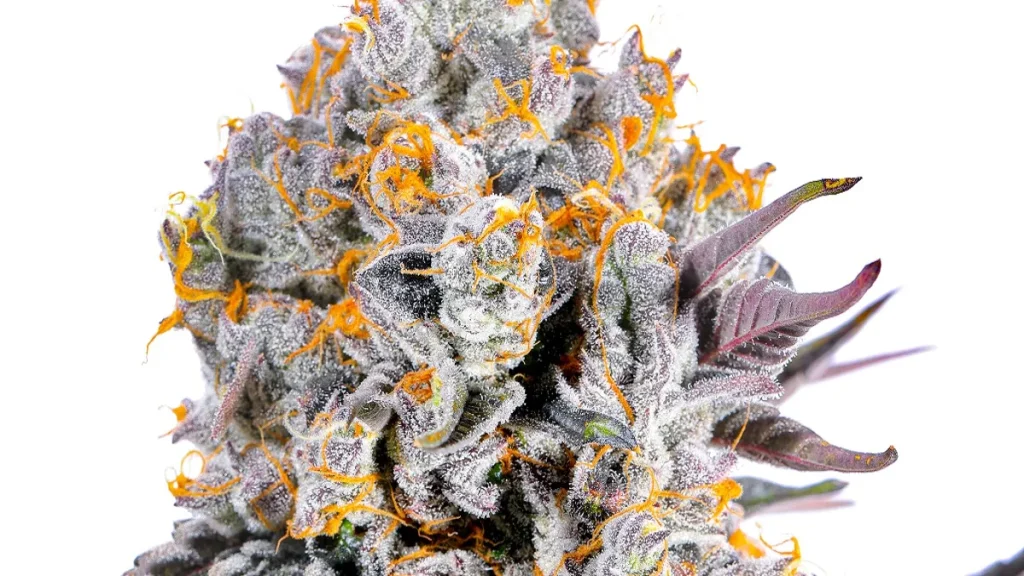
Visual inspection cannot establish cannabinoid concentration accurately. Dense buds can contain different chemical profiles. Bright coloration also says little about molecular composition. Even heavy trichome coverage cannot confirm THC levels.
That creates an important distinction for buyers and testers. Appearance describes physical characteristics, while analysis describes chemical composition. The two observations can support each other. Neither should substitute for measured cannabinoid data.
A Certificate Captures Chemistry At One Moment
Laboratory testing records the material’s condition during analysis. Heat exposure can change that profile after collection. Storage can also influence cannabinoid composition before another test occurs.
A useful certificate therefore deserves more attention than appearance. THCA and THC values explain the flower’s chemical state. The conversion factor adds another layer to total THC figures. In practical terms, similar-looking buds can tell different chemical stories.