
Climate Appropriate Fabrics Help Balance Comfort with Tailoring Costs

Climate affects how clothing feels after several hours of wear. Fabric choice can change comfort, fit, care needs, and tailoring costs. For shoppers comparing options, best tailors bangkok thailand may consider local weather before suggesting cloth. Warm conditions often call for lighter materials with good airflow. Cooler settings may allow denser fabrics with more body. A suitable fabric can support comfort without creating unnecessary tailoring work.

Fabric Sets the Base

Fabric affects how a garment sits on the body. Light cloth usually feels easier in warm weather.

Medium weight options can offer more structure. The right choice also depends on daily use.

Tailored Suit

Climate Shapes Clothing Comfort

Hot weather can make heavy clothing feel uncomfortable. Breathable cloth helps reduce heat during longer wear.

Humidity can also affect how fabric feels against skin. Local conditions should guide material selection before tailoring begins.

Fabric Choices Influence Tailoring Costs

Some materials require careful handling during cutting and stitching. Others are easier to shape with standard tailoring methods.

The fabric price is only one part of the total cost. Cutting time matters too. Stitching needs can vary between materials. Lining choices may also change the final amount. A fabric that needs careful pressing may require more attention during fitting. Buyers who compare the whole process can make clearer decisions. For those checking best tailors bangkok thailand, fabric guidance can help match clothing needs with expected tailoring work.

  • Lighter cloth often suits warm conditions without adding unnecessary weight.
  • Natural fibers may feel more comfortable during extended daytime wear.
  • Medium weight materials can provide shape without excessive thickness.
  • Simple fabrics may reduce handling time during regular garment construction.
  • Linings should match weather conditions rather than create extra warmth.
  • Fabric texture can affect pressing needs after repeated clothing use.
  • Blend materials may balance airflow with improved garment shape.
  • Personal wear habits should guide fabric selection before spending money.

Garment Weight Affects Daily Wear

Clothing weight becomes noticeable during long periods of use. Heavy materials may feel warm when temperatures remain high. Lighter options can make movement feel easier. The right balance depends on setting, schedule, and personal comfort.

Clothing Needs Depend on Routine

Work clothing may need more structure than casual pieces. Occasional garments can use fabrics with different care needs. Frequent wear calls for materials that remain comfortable over time.

Common Buyer Questions

  • Which fabric feels cooler during hot weather?

Linen and lightweight cotton usually feel airy during warm conditions.

  • Does thicker fabric always cost more to tailor?

Not always, since design and construction needs also affect pricing.

  • Should lining be used in warm weather clothing?

A lighter lining may work when structure requires additional support.

  • Can one fabric suit every season?

Medium weight blends may work across mild seasonal changes.

  • Does fabric choice affect fitting time?

Yes, certain materials may need more careful handling during adjustments.

  • Should care requirements affect the buying decision?

Yes, regular maintenance can add time and ongoing clothing costs.

Cost and Comfort Need Balance

A lower fabric price does not always mean lower total spending. A suitable material may reduce later adjustment needs. Comfort can also influence how often a garment gets worn. Good planning keeps the purchase aligned with real clothing habits.

Consistency Comes from Careful Choices

Climate should remain part of fabric selection. Tailoring cost should be viewed as a complete process. Daily routine can guide weight, texture, lining, and care choices. Small decisions before stitching can prevent avoidable changes later. Steady attention to these details supports consistency through follow-through rather than perfection.

Read More

Understanding the Longevity of Composite Bonding Treatments

The Growing Appeal of Cosmetic Dental Enhancement

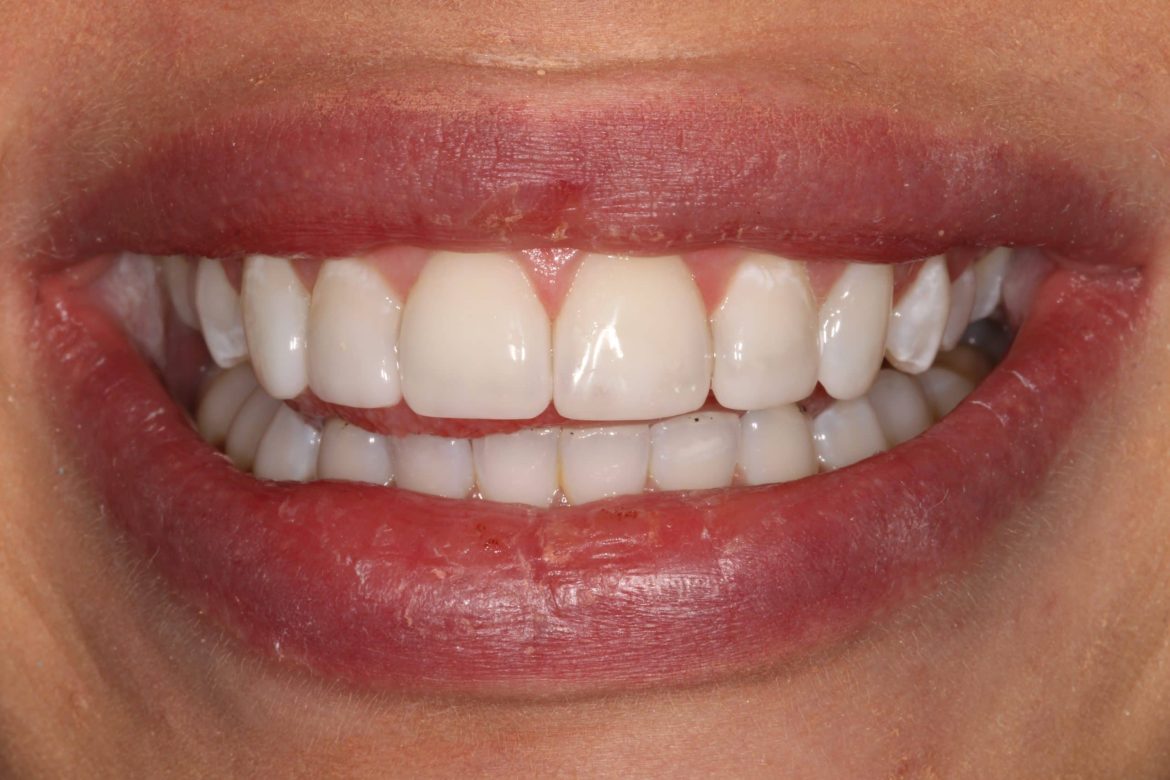
In recent years, composite bonding has emerged as one of the most sought-after cosmetic dental procedures across the United Kingdom. This minimally invasive treatment offers patients an opportunity to transform their smiles without the extensive preparation required by traditional veneers or crowns. As more individuals seek aesthetic improvements to their teeth, understanding the expected lifespan of composite bonding treatments becomes increasingly important for those considering this popular procedure.

Composite bonding Plymouth involves the application of a tooth-coloured resin material to repair, reshape, or enhance the appearance of teeth. The procedure can address various concerns, including chips, cracks, gaps, discolouration, and minor misalignments. With proper care and maintenance, patients can enjoy the benefits of their enhanced smiles for several years, making it a worthwhile investment in one’s appearance and confidence.

Expected Duration of Composite Bonding Results

The longevity of composite bonding treatments typically ranges between five to seven years, though this timeframe can vary considerably depending on multiple factors. Some patients may find their bonding lasts beyond a decade, whilst others might require touch-ups or replacements sooner. Understanding these variables helps set realistic expectations for anyone considering composite bonding Plymouth practitioners or elsewhere in the country.

The quality of materials used during the procedure plays a significant role in determining how long the bonding will maintain its appearance and structural integrity. Modern composite resins have improved dramatically over the past decade, offering enhanced durability and stain resistance compared to earlier formulations. Dental professionals who invest in high-grade materials and stay current with the latest techniques can often deliver results that exceed average longevity expectations.

Key Factors Affecting Composite Bonding Durability

Oral Hygiene Practices

Maintaining excellent oral hygiene stands as perhaps the most crucial factor in extending the life of composite bonding. Regular brushing, flossing, and professional cleanings help prevent decay around the bonded areas and keep the composite material looking fresh. For detailed information about maintaining composite bonding over time, patients should establish a comprehensive care routine from the outset.

Dietary Habits and Lifestyle Choices

What patients consume on a daily basis significantly impacts the longevity of their composite bonding. Certain foods and beverages can stain the resin material over time, diminishing the aesthetic appeal of the treatment. Coffee, red wine, tea, and heavily pigmented foods should be consumed in moderation, and patients should rinse their mouths with water afterwards to minimise staining potential.

Beyond staining concerns, particularly hard or sticky foods can compromise the structural integrity of bonded teeth. Chewing on ice, hard sweets, or using teeth as tools to open packages places unnecessary stress on the composite material and can lead to chips or complete detachment. Those who grind their teeth at night may also experience accelerated wear and should discuss protective measures with their dental practitioner.

Location of the Bonding

The position of bonded teeth within the mouth influences how long the treatment will last. Bonding applied to front teeth typically experiences less pressure during chewing and may therefore last longer than bonding on molars, which endure substantial force during daily function. Understanding essential considerations before undergoing composite bonding helps patients make informed decisions about which teeth to treat and what outcomes to anticipate.

Maximising Your Investment in Composite Bonding

Regular dental check-ups allow practitioners to monitor the condition of composite bonding and address minor issues before they become significant problems. During these appointments, dental professionals can polish the bonding to restore its lustre and check for signs of wear or damage. Early intervention often prevents the need for complete replacement, extending the overall lifespan of the treatment.

Patients should also be mindful of habits that could compromise their bonding, such as nail biting, pen chewing, or smoking. Tobacco products not only stain composite materials but can also weaken the bond between the resin and natural tooth structure. For comprehensive guidance on expected longevity and care requirements, consulting with experienced practitioners proves invaluable.

Making Composite Bonding Last

Composite bonding offers an excellent solution for those seeking cosmetic dental improvements without extensive procedures. Whilst the treatment typically lasts five to seven years, proper care and maintenance can extend this timeframe considerably. By understanding the factors that influence durability and taking proactive steps to protect their investment, patients can enjoy beautiful, confident smiles for years to come. The key lies in establishing good habits from the outset and maintaining regular communication with dental professionals throughout the lifespan of the treatment.

Read More

Broader SARMs Discussions Include Peptide Findings Around Long-Term Safety Concerns

Current studies examine physical responses while recognizing important gaps within extended observation periods. Researchers reviewing the peptides vs SARMs guide often compare biological pathways with available safety evidence. Such comparisons help readers understand why short observations cannot predict future outcomes reliably. Careful scientific review therefore remains important when interpreting developing research around these compounds.

Research Evidence Requires Careful Long-Term Review

Current findings often come from studies covering relatively limited observation periods. Longer research can reveal changes that shorter assessments may completely miss.

Researchers also consider study size because small groups provide limited certainty. Broader participant data can create stronger evidence for responsible scientific interpretation.

Different Compounds Produce Distinct Physical Responses

Peptide research examines signaling processes that influence several natural body functions. SARMs research instead studies selective activity connected with particular biological receptors.

Understanding these differences prevents unrelated findings from receiving identical safety interpretations. Each compound category requires separate evaluation before broader conclusions become reasonably dependable.

Key Factors Shape Reliable Safety Assessment

Extended safety assessment requires more than observing immediate physical responses alone.Researchers examine several connected factors before deciding whether findings remain meaningful.

  • Longer observation periods reveal changes missed during shorter research stages.
  • Participant diversity improves understanding across different physical response patterns naturally.
  • Dosage differences can strongly influence recorded outcomes during controlled research.
  • Regular monitoring helps researchers identify subtle biological changes much earlier.
  • Larger study groups provide stronger support for dependable scientific conclusions.

These factors show why isolated findings should receive cautious interpretation today. Evidence becomes stronger when separate studies produce comparable observations over time.

Common Research Questions with Clear Answers

  • Why does study duration matter for safety understanding?Longer observation allows researchers to identify effects developing gradually over time.Short research periods may overlook changes appearing after continued compound exposure.
  • Can peptide findings explain every SARMs-related safety concern?No single research category can answer every question about another compound.Different biological actions require separate evidence before meaningful comparisons become reliable.
  • Why are larger research groups considered more useful?Larger groups provide broader information across many different physical response patterns.They can reduce uncertainty created by findings from very small samples.

Safer Knowledge Needs Stronger Evidence

Responsible understanding depends on patient research rather than early assumptions alone. Future studies should examine wider groups through longer observation periods carefully. Clear reporting can separate dependable findings from uncertain safety claims effectively. Readers using a peptides vs SARMs guide should prioritize evidence with consistent supporting results. Stronger research standards can ultimately create clearer choices around lasting wellbeing.

Read More