

Climate affects how clothing feels after several hours of wear. Fabric choice can change comfort, fit, care needs, and tailoring costs. For shoppers comparing options, best tailors bangkok thailand may consider local weather before suggesting cloth. Warm conditions often call for lighter materials with good airflow. Cooler settings may allow denser fabrics with more body. A suitable fabric can support comfort without creating unnecessary tailoring work.
Fabric Sets the Base
Fabric affects how a garment sits on the body. Light cloth usually feels easier in warm weather.
Medium weight options can offer more structure. The right choice also depends on daily use.
Climate Shapes Clothing Comfort
Hot weather can make heavy clothing feel uncomfortable. Breathable cloth helps reduce heat during longer wear.
Humidity can also affect how fabric feels against skin. Local conditions should guide material selection before tailoring begins.
Fabric Choices Influence Tailoring Costs
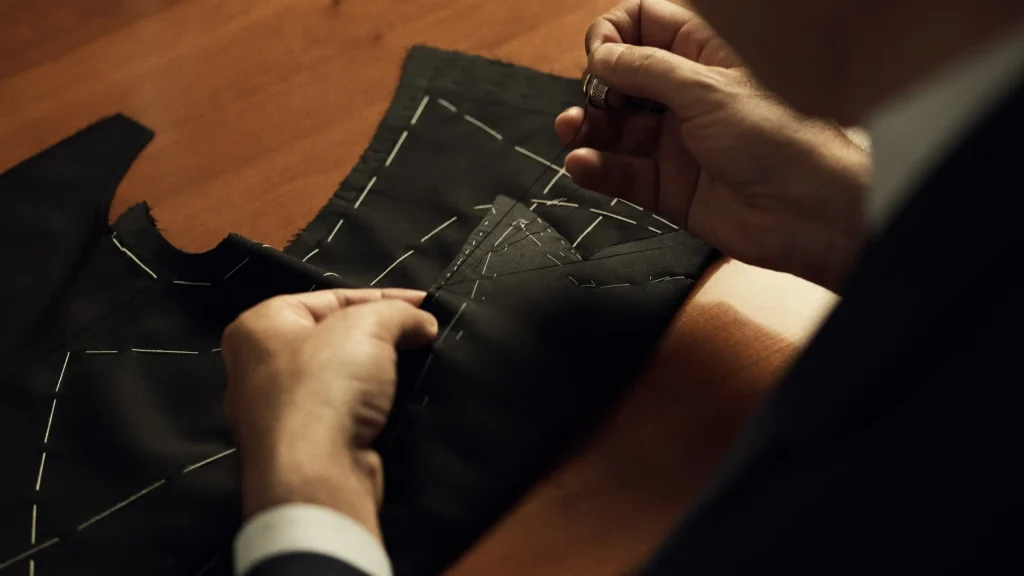
Some materials require careful handling during cutting and stitching. Others are easier to shape with standard tailoring methods.
The fabric price is only one part of the total cost. Cutting time matters too. Stitching needs can vary between materials. Lining choices may also change the final amount. A fabric that needs careful pressing may require more attention during fitting. Buyers who compare the whole process can make clearer decisions. For those checking best tailors bangkok thailand, fabric guidance can help match clothing needs with expected tailoring work.
- Lighter cloth often suits warm conditions without adding unnecessary weight.
- Natural fibers may feel more comfortable during extended daytime wear.
- Medium weight materials can provide shape without excessive thickness.
- Simple fabrics may reduce handling time during regular garment construction.
- Linings should match weather conditions rather than create extra warmth.
- Fabric texture can affect pressing needs after repeated clothing use.
- Blend materials may balance airflow with improved garment shape.
- Personal wear habits should guide fabric selection before spending money.
Garment Weight Affects Daily Wear
Clothing weight becomes noticeable during long periods of use. Heavy materials may feel warm when temperatures remain high. Lighter options can make movement feel easier. The right balance depends on setting, schedule, and personal comfort.
Clothing Needs Depend on Routine
Work clothing may need more structure than casual pieces. Occasional garments can use fabrics with different care needs. Frequent wear calls for materials that remain comfortable over time.
Common Buyer Questions
- Which fabric feels cooler during hot weather?
Linen and lightweight cotton usually feel airy during warm conditions.
- Does thicker fabric always cost more to tailor?
Not always, since design and construction needs also affect pricing.
- Should lining be used in warm weather clothing?
A lighter lining may work when structure requires additional support.
- Can one fabric suit every season?
Medium weight blends may work across mild seasonal changes.
- Does fabric choice affect fitting time?
Yes, certain materials may need more careful handling during adjustments.
- Should care requirements affect the buying decision?
Yes, regular maintenance can add time and ongoing clothing costs.
Cost and Comfort Need Balance
A lower fabric price does not always mean lower total spending. A suitable material may reduce later adjustment needs. Comfort can also influence how often a garment gets worn. Good planning keeps the purchase aligned with real clothing habits.
Consistency Comes from Careful Choices
Climate should remain part of fabric selection. Tailoring cost should be viewed as a complete process. Daily routine can guide weight, texture, lining, and care choices. Small decisions before stitching can prevent avoidable changes later. Steady attention to these details supports consistency through follow-through rather than perfection.