
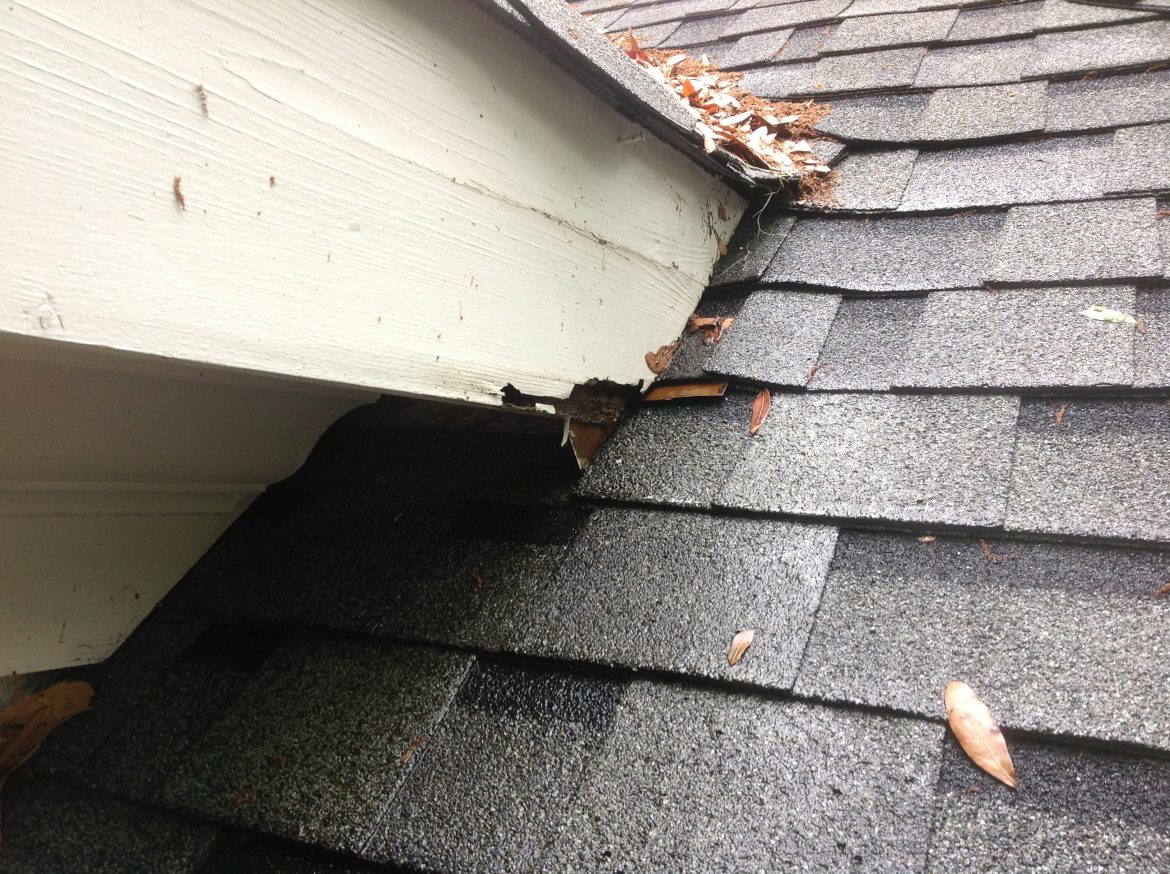
The storm has passed. The yard gets cleaned up, the power comes back on, and life returns to its normal pace. The roof can be easy to forget at that point.
From the ground, everything may look more or less the same as it did the day before. That does not always tell the whole story. Wind can move roofing materials. Heavy rain can find weak points. A branch or piece of debris can cause damage that is not obvious until the next rainfall.
For homeowners who want to Learn more about roofing in corpus christi, knowing what to look for after severe weather is useful. You do not need to climb onto the roof and inspect every shingle yourself. In fact, getting onto a wet or damaged roof can create another problem. Start with what you can safely see.
Look around the property first
Look at the roof from several angles too. A quick check can reveal:
- Missing or displaced shingles
- Roofing material that looks lifted or uneven
- Loose-looking flashing
- New debris sitting on the roof
- Damage around visible roof openings
- Areas that appear different from nearby sections
- A roofline that does not look as straight as it did before
Do not try to decide exactly what caused the damage from the ground. The first job is simply noticing that something has changed.
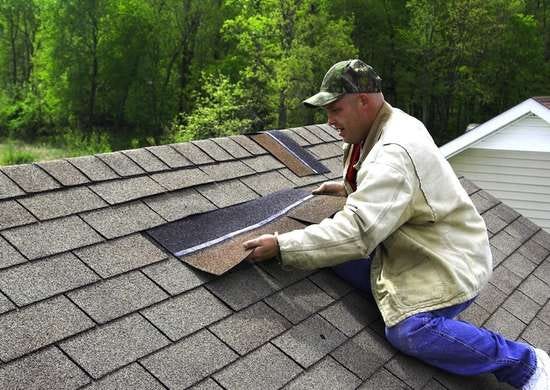
Heavy rain can reveal an older problem
Rain does not always create the original weakness. Sometimes it exposes one.
A roof may have a worn area, aging flashing or another vulnerable point that manages to handle ordinary weather. A period of heavy rain can put more water through that area than usual, and the first interior sign may appear afterward.
Check upper ceilings and walls for anything new.
You might see:
- A brown or yellowish ceiling mark
- Fresh discoloration around a light fixture
- Dampness near an upper wall
- Peeling paint
- A spot that appears after rainfall and then dries
- Moisture in an accessible attic area
The location of the interior mark is not necessarily the location of the roof problem.
Water can travel.
What different storm signs can mean
There is no single visual clue that explains every type of storm damage. Several different problems can produce similar-looking symptoms.
| What you notice | What may be happening | What deserves attention |
| Roofing pieces in the yard | Material may have been displaced | Find out where they came from |
| Missing shingles | Part of the roof may be exposed | Have the area checked |
| New ceiling stain | Moisture may have entered the home | Identify the source |
| Loose-looking flashing | A roof transition may be vulnerable | Arrange a closer inspection |
| Damp attic insulation | Water may have reached the roof space | Look for the entry point |
| Bent or damaged roof components | Impact or wind may have affected the area | Have the damage assessed |
| Sagging section | Moisture or another issue may be involved | Seek professional attention |
The table is a starting point, not a diagnosis.
A roofing professional can examine the actual condition and determine what needs to happen next.
Safety comes before curiosity
A damaged roof can be tempting to inspect more closely. Don’t turn a roof check into an injury.
Wet shingles, loose materials and damaged sections can make walking on a roof especially unsafe. A ladder also introduces another risk, particularly when surfaces are wet or unstable.
For a homeowner, there is plenty that can be checked without climbing up:
- Look from the ground.
- Check the yard for roofing debris.
- Inspect visible gutters.
- Look at ceilings after rainfall.
- Check an accessible attic carefully.
- Photograph anything unusual from a safe position.
- Arrange a professional inspection when the roof itself needs a closer look.
Sometimes the safest inspection is the one you do not perform yourself.
Storm damage is not always dramatic
For homeowners looking to learn more about roofing in corpus christi, post-storm awareness is a practical part of looking after the house.
Check what you can see. Notice what changed. Storm cleanup may finish in a day. The roof sometimes needs a little more attention than that.