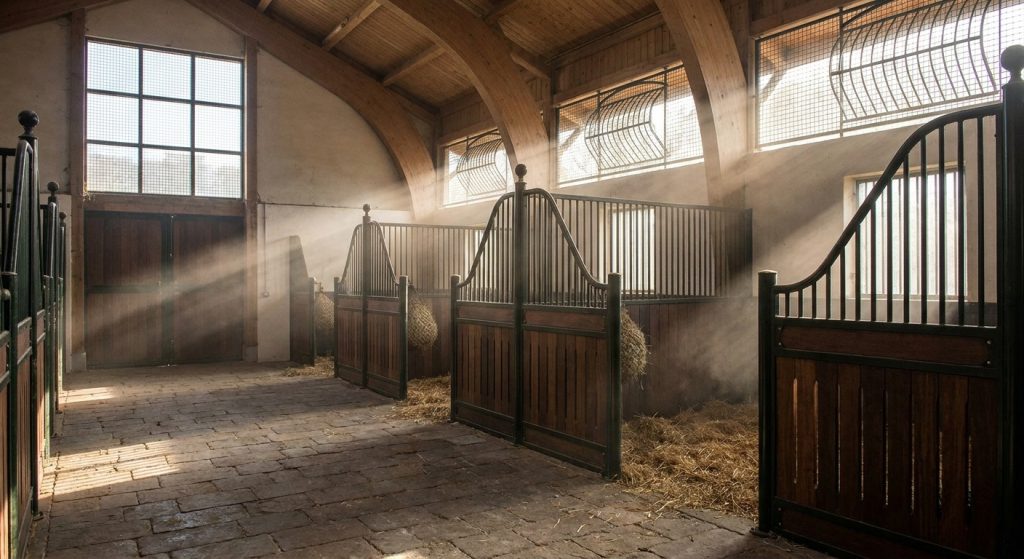
Buying horse stalls involves more than choosing a design. It means planning space, materials, layout, and installation so the barn works well for horses and people.
Many owners who search for Summerdean Equine horse stalls for sale want clear guidance more than a catalog. They need to know what fits their barn, how long the process takes, and what to prepare.
Without a clear structure, buyers often order the wrong sizes, miss ventilation needs, or underestimate installation work. These errors cost time and money.
Why Structure Matters?
Guesswork rarely accounts for every detail. A guided process makes sure decisions follow a logical order.
- Measure the barn before choosing any design.
- Match stall size to horse size and use.
- Plan ventilation and drainage early.
- Confirm delivery access and timing.
- Agree on who handles installation.
Site Assessment
This step reviews the barn’s dimensions, floor, and existing structure. In practice, it shows what can fit and where adjustments are needed. Older barns can be difficult, as uneven walls or floors may require extra work.
Custom Design Review
Here, layout, door styles, and finishes are matched to daily routines. Buyers comparing Summerdean Equine horse stalls for sale benefit from seeing drawings before production begins. The limitation is time, since revisions can extend the planning stage.
Coordinated Installation
Installation is scheduled around delivery and site readiness. A coordinated plan reduces delays. Weather or unfinished barn work can still push dates back.
Action Plan
- Measure the barn and record all dimensions.
- List the number of horses and their sizes.
- Review design options with the team.
- Approve final drawings in writing.
- Prepare the site before delivery.
- Inspect the stalls after installation.
Reality Check
Many owners struggle because they rush early decisions. Common mistakes include skipping measurements, ignoring future needs, and assuming installation is simple. Changing conditions, such as new horses or barn repairs, can also affect the original plan.
Long-Term Improvement
Good results come from reviewing each stage carefully. After installation, check how the stalls perform in daily use. Note what works and what needs adjustment. Consistent upkeep and periodic reviews keep the setup reliable over time.
Frequently Asked Questions
- How long does the process take? It depends on design complexity and site readiness, so timelines vary by project.
- Can stalls fit an older barn? Often yes, though a site assessment will show what adjustments are needed.
- Is professional installation necessary? It is not always required, but it reduces errors and saves time.
- What should be prepared before delivery? Clear access, a level floor, and a finished building structure.
A well-built stall setup comes from steady, careful steps rather than perfect choices. Plan clearly, confirm each decision, and follow through on preparation. Consistent execution at every stage leads to a barn that serves both horses and owners well for years.